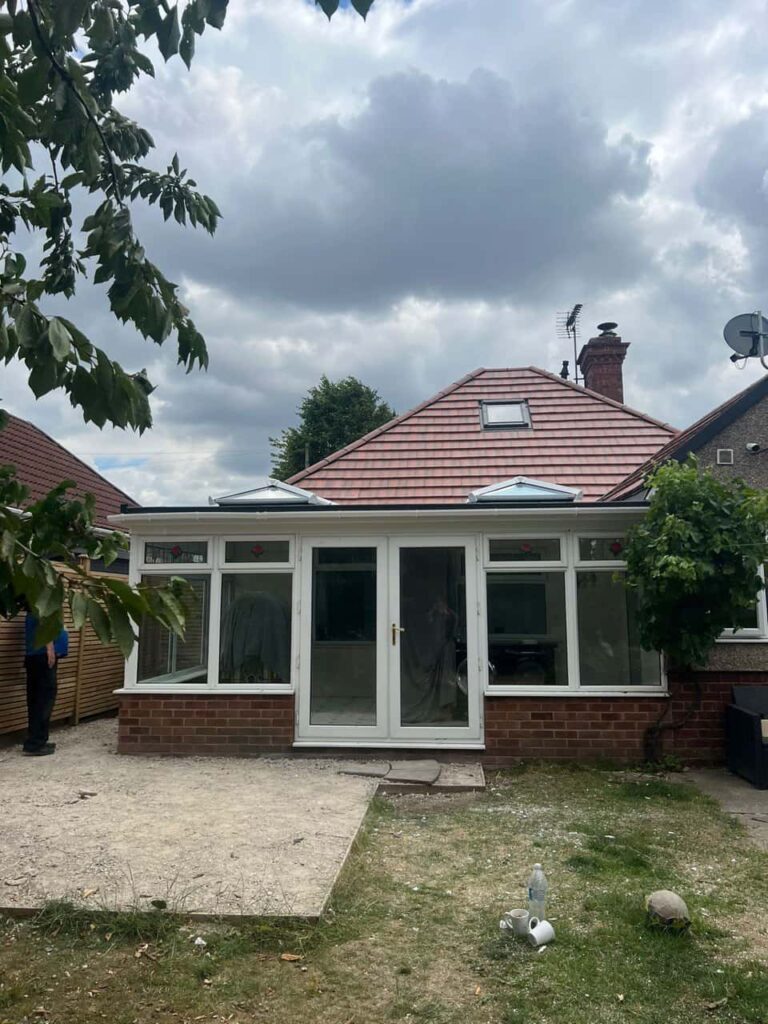
Roof tiles play an essential role in protecting a property from rain, wind and changing weather conditions. When correctly positioned, they form a protective covering that directs water away from the roof structure. However, exposure to strong winds, ageing materials and gradual deterioration can cause individual tiles to become loose or move out of position.
A dislodged roof tile may seem like a minor issue, but even a small gap can allow water to enter beneath the roof covering. Identifying the warning signs early can help prevent further damage and ensure the roof continues to perform as it should.
For homeowners in Warlingham, Surrey, understanding how to recognise loose or displaced roof tiles is an important part of maintaining a weather-resistant property.
Visible Gaps or Uneven Roof Lines
One of the clearest signs of a loose or dislodged roof tile is a noticeable gap in the roof covering. Tiles are designed to overlap in a particular arrangement, creating a continuous surface that helps prevent rainwater from reaching the underlying structure.
If a tile has slipped, lifted or moved sideways, the normal pattern may appear uneven. You might notice a section where the tiles no longer line up properly or where part of the roof looks different from the surrounding area.
These changes can sometimes be difficult to spot from ground level, particularly on larger or steeply pitched roofs. Never climb onto a roof to investigate. A professional inspection is the safest way to establish whether tiles have moved and whether repairs are needed.
Roof Tiles Found on the Ground
Finding broken pieces of tile or an entire roof tile in the garden, driveway or near the property is a strong indication that the roof covering may have been affected.
Strong winds can lift or displace poorly secured tiles, while older or damaged materials may break away over time. Even if only one tile has fallen, neighbouring tiles should also be checked because the same conditions may have affected a wider section.
A missing tile can leave the roof more exposed to rainwater, so it is important to arrange an inspection rather than assuming the problem is isolated.
Signs of Water Ingress in the Loft
Loose or missing roof tiles can create openings that allow rainwater to reach the roof underlay and supporting structure. If water gets beyond these protective layers, it may eventually become visible inside the property.
Warning signs in the loft include damp patches, water staining on timber, wet insulation or unexplained moisture around the roof structure. These symptoms do not always mean that a tile has moved, as damaged flashing, roof valleys and other defects can also cause leaks.
Nevertheless, if you notice dampness following periods of heavy rain, the roof covering should be inspected to identify the source of the problem.
Damp Patches on Ceilings and Upper Walls
Water entering through a damaged roof may travel along timbers or other structural surfaces before becoming visible indoors. As a result, a damp patch on a ceiling or upper wall may not appear directly beneath the original point of entry.
Look out for brown staining, peeling paint, bubbling plaster or areas that remain damp after rainfall. These signs should not be ignored, as continued water penetration can affect internal finishes and potentially contribute to timber deterioration.
A professional roofing assessment can help determine whether displaced tiles or another roofing defect is responsible.
Changes After Strong Winds or Storms
Periods of strong wind can place considerable pressure on roof coverings. Wind may lift exposed tiles, disturb ridge tiles or weaken existing fixings, particularly where materials have already deteriorated.
After severe weather, it is sensible to look at the roof from a safe position on the ground. Check for visible gaps, uneven sections or debris that may have fallen from the roof.
Not every loose tile will be obvious immediately after a storm. Some may have shifted only slightly, leaving the roof vulnerable to further movement during subsequent windy conditions. If anything appears unusual, arrange a professional inspection before the problem develops.
Cracked Tiles and Deteriorating Fixings
Not all roof tile problems involve tiles falling completely out of position. Cracks, damaged edges and deteriorating fixings can also affect how securely the roof covering remains in place.
Repeated exposure to weather, natural ageing and previous movement can weaken individual tiles or their supporting fixings. A cracked tile may allow water to pass through, while a damaged fixing can make an otherwise intact tile more vulnerable to movement.
During a roof inspection, a roofer can assess the condition of affected tiles and determine whether individual replacements, refixing or more extensive repairs are appropriate.
Why Loose Roof Tiles Should Be Repaired Promptly
A missing or displaced tile can expose vulnerable sections of the roof to wind-driven rain. If water reaches the underlay, battens or roof timbers, the resulting moisture can lead to further deterioration.
There is also a risk that an unsecured tile may move further or fall, potentially creating a hazard around the property. Prompt attention helps limit these risks and prevents a relatively small roofing defect from becoming a more complicated repair.
The correct solution depends on the condition of the surrounding tiles, the roof structure and the reason the movement occurred. Simply repositioning a tile may not be sufficient if its fixings or supporting materials have also deteriorated.
Professional Roof Tile Repairs in Warlingham
Identifying the cause of loose or dislodged roof tiles is essential for achieving a reliable repair. Warlingham Roofing Repairs provides professional roofing repair services for property owners in Warlingham, Surrey.
Whether your roof has suffered storm damage, developed loose tiles over time or shows signs of water ingress, a professional assessment can establish the extent of the problem and identify the appropriate repair work.
Conclusion
Loose or dislodged roof tiles can often be identified through visible gaps, uneven roof lines, fallen tiles and signs of water ingress inside the property. Damage may not always be obvious from the ground, which is why professional inspections are important when a problem is suspected.
Addressing damaged tiles promptly helps maintain the roof’s protective covering and reduces the risk of further deterioration. If you have noticed any warning signs, contact Warlingham Roofing Repairs to arrange professional roof tile repairs in Warlingham, Surrey.
Call us on: 01883 779 994
Click here to find out more about Warlingham Roofing Repairs
Click here to complete our contact form and see how we can help with your roofing needs.