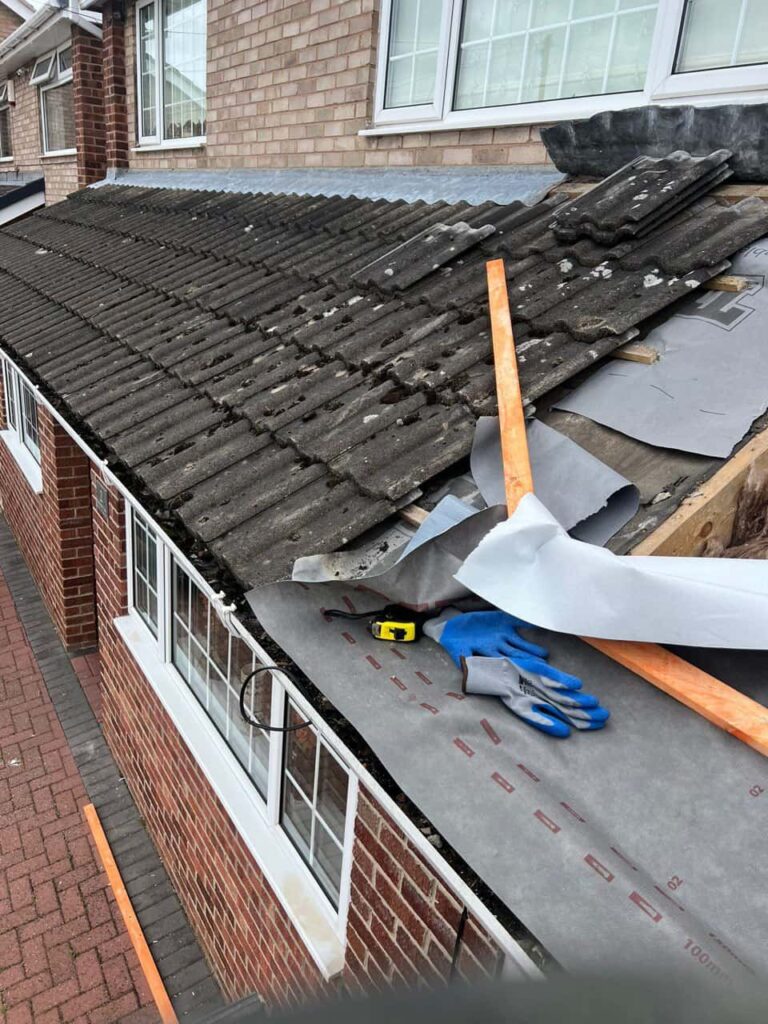
Slipped roof tiles can leave your home vulnerable to rainwater, draughts and further roof damage. Even a single displaced tile may expose the underlay and surrounding roof structure to the elements, particularly during periods of heavy rain or strong winds.
For homeowners in Warlingham, Surrey, recognising the signs of slipped roof tiles and arranging repairs promptly can help prevent a minor roofing issue from developing into a more serious problem. Understanding what causes tiles to move, which warning signs to look for and when to contact a professional roofer can help you protect your property.
What Causes Roof Tiles to Slip?
Roof tiles are designed to overlap and form a protective covering that directs rainwater away from the building. Their position depends on secure fixings, correctly installed battens and the overall condition of the roof. When any of these components deteriorates or fails, tiles may move out of place.
Strong Winds and Severe Weather
Strong winds can lift or dislodge roof tiles, particularly if their fixings have weakened over time. Repeated exposure to changing weather can also gradually loosen tiles, leaving them more vulnerable during storms.
After periods of high winds, it is worth checking your roof from ground level for uneven rows, visible gaps or tiles lying in the garden. Avoid climbing onto the roof to investigate, as loose tiles and wet surfaces can make access dangerous.
Deteriorating Fixings and Roof Battens
Roof tiles may be secured using nails, clips or other appropriate fixings, depending on the roofing system. Over time, fixings can corrode, loosen or fail. The timber battens supporting the tiles may also deteriorate, reducing their ability to hold the roof covering securely.
When the underlying support is compromised, simply repositioning a tile may not provide a lasting repair. A roofer can inspect the affected area to establish whether the fixings, battens or surrounding tiles also need attention.
Ageing or Damaged Roof Tiles
Roof tiles can crack, chip or weaken through prolonged exposure to the elements. Damage may occur because of impacts, repeated weather exposure or the natural ageing of the roofing materials.
A cracked tile may gradually shift or break apart, creating an opening through which water can penetrate. Older roofs may also have several weakened tiles, making it important to assess the surrounding area rather than focusing on one visible defect.
Poor Installation or Previous Repairs
Tiles that were incorrectly positioned or inadequately secured may become displaced sooner than expected. Problems can also develop when previous repairs have not addressed the underlying cause of movement.
Correct alignment and suitable fixings are essential for maintaining the roof’s weatherproofing. Professional repairs should therefore address both the slipped tile and any contributing installation or structural issues.
Warning Signs That Your Roof Tiles Have Slipped
Not every roofing problem is immediately visible from inside the property. However, several signs may indicate that your roof needs attention.
- Uneven roof lines: Tiles that appear out of alignment or rows with noticeable gaps may indicate movement.
- Visible gaps: Missing or displaced tiles can expose sections of the roof beneath.
- Water stains indoors: Damp patches on ceilings or upper walls may suggest that water is entering through damaged roofing.
- Loose tiles on the ground: Finding roof tiles in the garden or near the building can indicate that part of the roof covering has become unstable.
- Damp loft insulation or timber: Moisture in the loft may point to a leak that needs investigating.
These signs do not always mean that a slipped tile is the cause, as roof leaks can originate from flashing, valleys or other components. A professional inspection can help identify the actual source of the problem.
When Should You Call a Roofer?
You should arrange a professional assessment as soon as you notice a displaced, cracked or missing roof tile. Prompt repairs help restore the protective covering and reduce the risk of water reaching the underlay, roof timbers and internal finishes.
It is particularly important to seek assistance if water is entering the property, several tiles appear to have moved or the damage follows a period of severe weather. If a roof leak is active, avoid touching wet electrical fittings and take sensible precautions to protect belongings without putting yourself at risk.
Do not attempt to climb a ladder or walk across the roof to reposition tiles yourself. Roof surfaces can be unstable, and even apparently minor repairs may require specialist access equipment and experience.
Warlingham Roofing Repairs can assess slipped roof tiles, identify the likely cause and recommend suitable repairs to help restore your roof’s condition.
How Professional Slipped Roof Tile Repairs Work
The appropriate repair depends on the type and extent of the damage. A roofer will typically examine the affected tiles and surrounding roof covering, checking for damaged materials, failed fixings and problems with the supporting battens.
Where the damage is isolated, the work may involve carefully repositioning or replacing individual tiles and securing them correctly. If the underlying supports have deteriorated or several tiles are affected, additional repairs may be necessary.
The roofer should also consider whether the underlay or nearby roofing components have been exposed to moisture. Addressing these issues alongside the visible damage helps reduce the likelihood of recurring leaks.
A proper assessment is important because replacing a tile without correcting the reason it slipped may only provide a temporary solution.
Preventing Future Roof Tile Problems
Although not every instance of tile movement can be prevented, routine roof maintenance can help identify developing issues before they lead to more extensive damage.
Periodic inspections can reveal cracked tiles, deteriorating fixings, damaged flashing and other defects that may affect the roof’s performance. It is also sensible to arrange an assessment after severe weather if you suspect that the roof has been affected.
Keeping on top of repairs helps maintain the roof’s protective covering and can reduce the risk of avoidable water damage. The condition and age of the roof will influence how frequently professional inspections are appropriate.
Conclusion
Slipped roof tiles can result from strong winds, ageing materials, deteriorating fixings or installation problems. Whatever the cause, acting promptly can help prevent water ingress and further deterioration to your roof.
If you have noticed missing tiles, uneven roof lines or signs of a leak, Warlingham Roofing Repairs can help assess the problem and carry out appropriate repairs. Contact us to discuss your roofing concerns and arrange professional assistance for your property in Warlingham, Surrey.
Call us on: 01883 779 994
Click here to find out more about Warlingham Roofing Repairs
Click here to complete our contact form and see how we can help with your roofing needs.